What if marginal land could become a dependable source of low-carbon energy for heavy industry?
What if marginal land could become a dependable source of low-carbon energy for heavy industry?
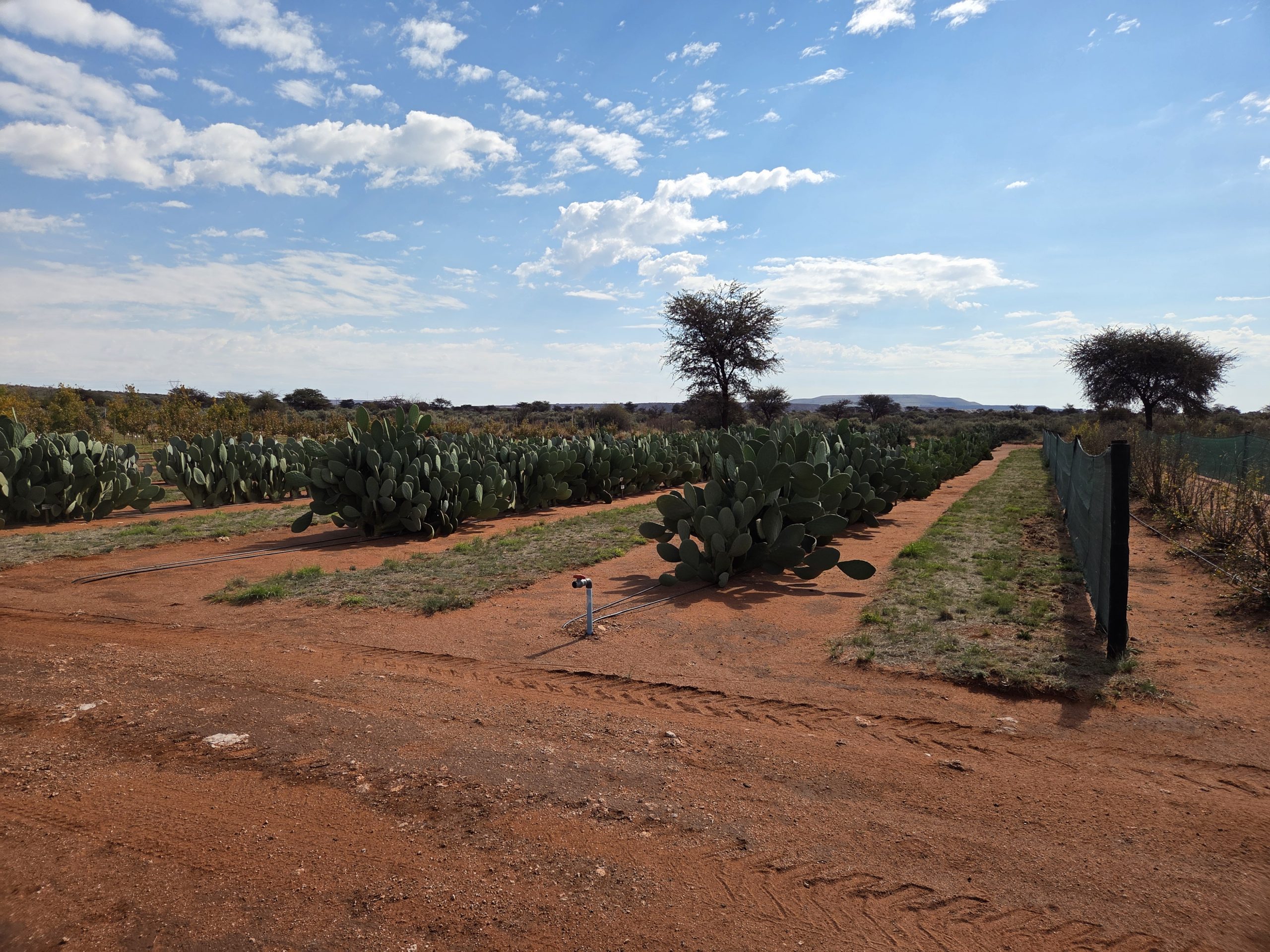
Our latest short video gives a glimpse into OPUS Cactus’ Opuntia (prickly pear) cultivation work in South Africa—showing how we’re building a resilient biomass platform designed for scale: regenerative agriculture on semi-arid land, consistent feedstock supply, and a pathway to baseload renewable energy and decarbonization.
For investors and partners, the opportunity is clear:
-
Bankable, scalable biomass solutions from a drought-tolerant crop suited to semi-arid regions
-
Decarbonization potential for energy-intensive operations (incl. mining) via biogas/biomethane and broader biorefinery pathways
-
Local impact through rural value chains, jobs, and land restoration outcomes
📍 Meet us at African Mining Indaba 2026 (Cape Town, 9–12 Feb) — we’ll be there as part of the NL Team on the European Pavilion.
If you’re a mining group, industrial offtaker, project developer, or investor looking for reliable low-carbon energy solutions that work in water-stressed environments, let’s connect at Indaba. Drop a comment or DM us to schedule a meeting.
#MiningIndaba #EnergyTransition #Decarbonization #Biomethane #Biogas #RegenerativeAgriculture #NatureBasedSolutions #Africa #ClimateTech